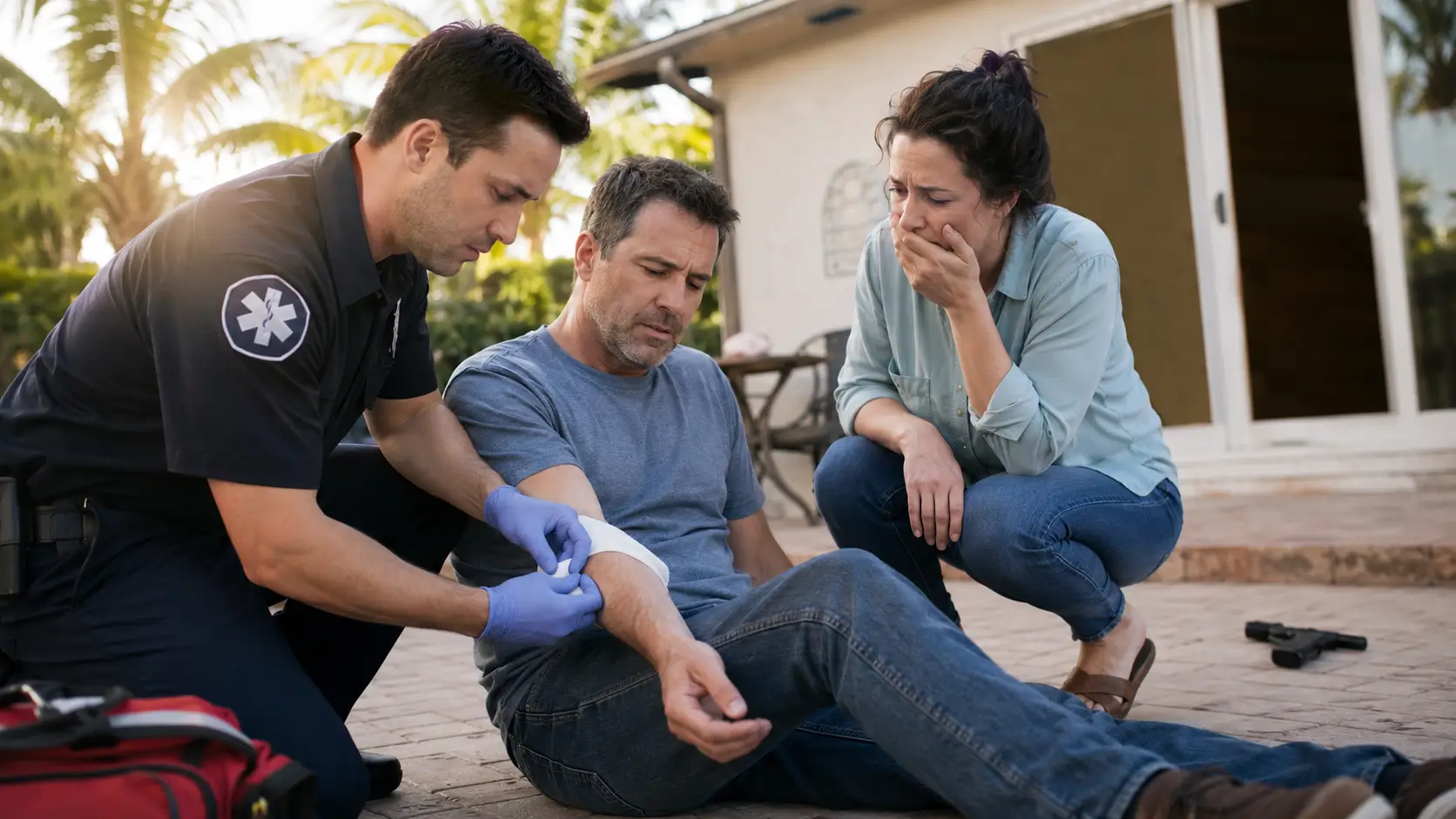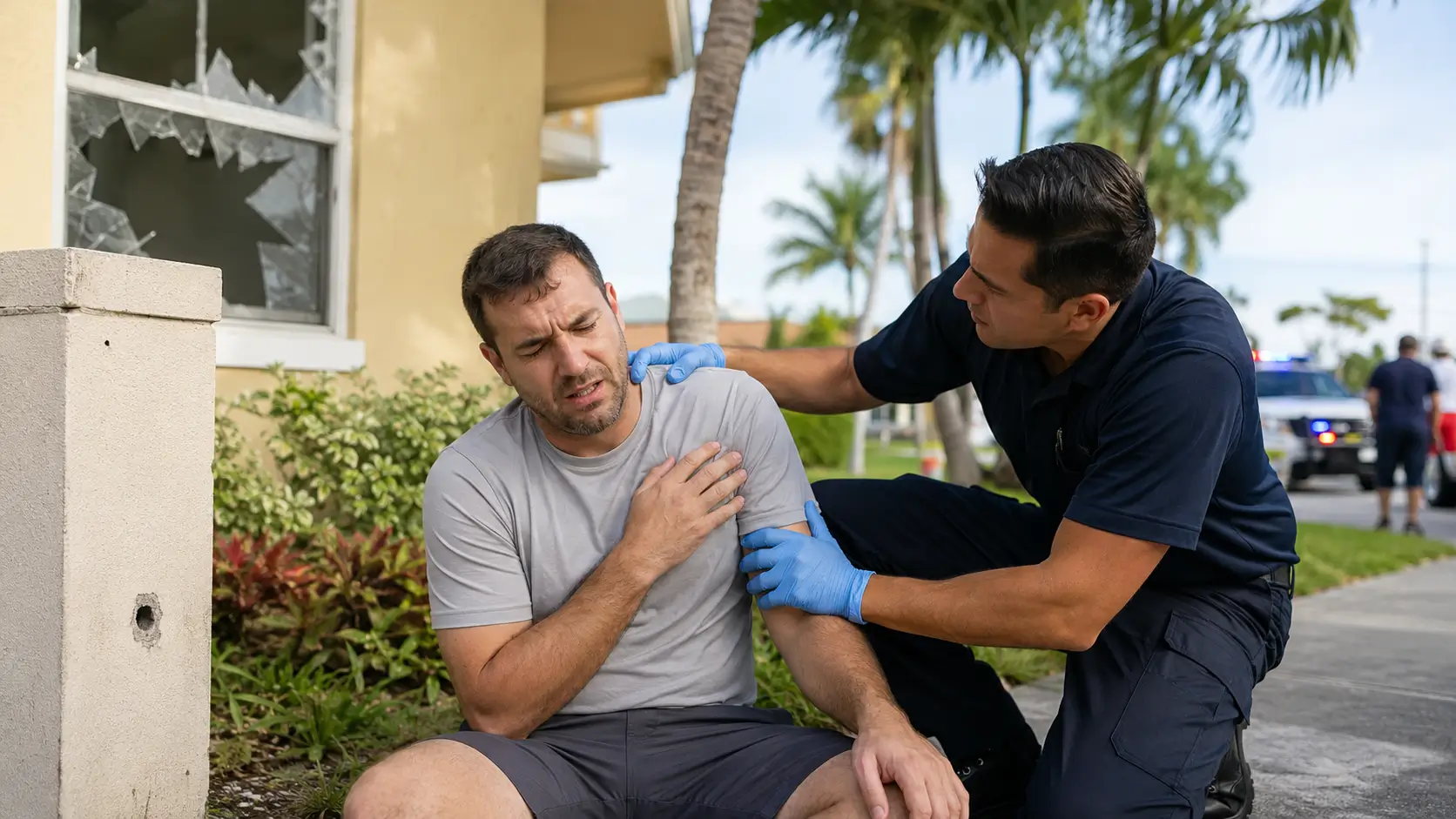

When you visit a property in Coral Gables, whether it’s a hotel, shopping plaza, apartment complex, or public garage, you expect a basic level of safety. You assume the lighting will be sufficient, the doors will lock, and someone has taken steps to prevent criminal activity. But what happens when those expectations aren’t met? What if a preventable crime occurs simply because the property owner failed to provide adequate security?
Negligent security is a legal issue that arises more often than people realize. It refers to situations where a person is injured or assaulted because a business or property owner didn’t take reasonable precautions to keep the premises safe. These cases can involve anything from missing surveillance cameras to poorly trained security personnel or broken gates left unrepaired.
In a city like Coral Gables, known for its vibrant nightlife, upscale neighborhoods, and high foot traffic, these risks can’t be ignored. Crimes don’t just happen in dark alleys; they occur in parking lots, stairwells, and even lobby areas where simple security measures could have made a difference. In the sections that follow, we’ll explore what negligent security really means under Florida law, what kinds of property failures can lead to serious harm, and how victims can take action when their safety has been compromised.
How a Negligent Security Lawsuit Works
Negligent security is a type of legal claim that falls under Florida’s broader category of premises liability. It applies when someone is harmed on another person’s property because the owner or manager failed to provide reasonable protection against foreseeable criminal acts. This doesn’t mean property owners are responsible for every incident, but it does mean they must take reasonable precautions when there is a known risk.
These precautions can include maintaining functional locks on doors and gates, installing adequate lighting in common areas, ensuring surveillance cameras are working, and hiring properly trained security personnel when necessary. The key legal question is whether the crime could have been anticipated based on the location, prior incidents, or obvious vulnerabilities. If the answer is yes, and no action was taken to reduce the risk, the property owner may be held legally responsible.
Florida law places this duty on those who control a property, especially when it is open to the public or used by residents, tenants, or guests. Victims who suffer injuries due to a violent attack, robbery, or similar crime on an unsafe property may have the right to file a claim and pursue compensation for the damages they’ve suffered. Understanding when and how this duty is breached is essential to determining whether negligent security played a role in the harm caused.
Common Examples of Negligent Security
Not every crime on private property is the result of negligence. Sometimes, a determined criminal will find a way to bypass even the best security systems. However, the majority of opportunistic offenses like robberies, assaults, and break-ins, occur when security is visibly lacking or entirely absent. In fact, decades of research in criminology and premises liability have shown that when reasonable precautions are in place, many crimes are either prevented altogether or made significantly less likely.
This is the foundation of a negligent security claim. To hold a property owner accountable, victims and their legal teams must demonstrate that the risk of harm was foreseeable, that the owner failed to take reasonable steps to prevent it, and that this failure contributed directly to the injuries sustained. But what exactly does negligent security look like in daily life situations?
Here are some of the most common scenarios that may give rise to legal claims:
Inadequate lighting in parking garages
Poorly lit areas, especially in parking structures near busy zones like Miracle Mile, are a known danger. Criminals often target these locations because they offer concealment and easy escape routes. Without proper lighting, both visibility and surveillance are compromised, making it easier for violent incidents or thefts to occur undetected. Property owners who fail to install or maintain adequate lighting systems may be held responsible when these conditions contribute to an attack.
Faulty locks and broken gates in residential communities
In apartment complexes and gated neighborhoods, basic entry-point security is essential. When locks are broken, gates are left ajar, or access codes are not updated after previous incidents, residents and guests are put at risk. Break-ins and home invasions often stem from these overlooked weaknesses, especially when management ignores prior complaints or warning signs. These failures not only signal poor maintenance but also a disregard for resident safety.
No surveillance cameras in public or semi-public areas
Surveillance isn’t just about recording evidence—it’s also a deterrent. Criminals are far less likely to commit an offense in areas where they believe they’re being watched. When hotels, retail centers, or entertainment venues lack cameras—or when the cameras are fake, outdated, or nonfunctional—they leave patrons more vulnerable to unmonitored attacks. This kind of oversight may be especially serious in places with a history of prior disturbances or crimes.
Untrained or absent security personnel
In some high-traffic environments, especially those that serve alcohol or stay open late into the night, the presence of trained security personnel is critical. However, it’s not enough just to have someone in uniform. If guards are poorly trained, inattentive, or unqualified to handle conflicts, they may do little to prevent violence or intervene when necessary. In some cases, the complete absence of security in clearly high-risk areas can form the basis for a claim.
No response to prior criminal activity
One of the clearest indicators of negligence is when property owners fail to respond to past incidents. If assaults, robberies, or other crimes have occurred on or near the premises and no additional security measures were taken afterward, this may suggest a pattern of disregard. In legal terms, this is called foreseeability, the idea that the risk was known or should have been known, and that action could have been taken to reduce it.
When these types of failures are combined with evidence of foreseeable harm, they form the legal groundwork for a negligent security case. Proving such a case requires not just showing that a crime happened, but that it could have been reasonably anticipated and prevented with appropriate measures. In the next section, we’ll explain exactly what victims must demonstrate to move forward with a successful claim.
Proving Negligent Security: The Four Legal Elements
For a negligent security claim to succeed in Florida, it’s not enough to simply show that a crime occurred on someone else’s property. The legal system requires a structured approach based on four essential elements. Each plays a critical role in establishing that the property owner failed in their responsibility and that this failure directly contributed to the harm you experienced.
1. Duty of Care
The first step is proving that the property owner owed you a legal duty. This duty exists when you are lawfully present on the premises, whether as a tenant, customer, guest, or employee. Florida law categorizes lawful visitors as either invitees or licensees, both of whom are entitled to a reasonable expectation of safety while on the property. The duty of care means the owner must take steps to protect people from hazards that are known or reasonably discoverable—including the risk of criminal activity in certain locations.
2. Breach of That Duty
Once a duty is established, the next question is whether the property owner breached it. A breach occurs when reasonable safety measures are not implemented or maintained. This could involve a variety of failures: broken or nonexistent security cameras, poor lighting in walkways or parking areas, malfunctioning locks or gates, or the absence of trained security staff in high-risk venues. It’s important to note that the law doesn’t demand perfection, but it does require action that a reasonable person would consider appropriate under the circumstances. Evidence of these lapses can come from maintenance logs, witness statements, or inspection records.
3. Causation Between Breach and Harm
After identifying a breach, the third element is demonstrating a direct connection between that failure and the injury suffered. This is often the most disputed part of a negligent security case. It must be shown that the criminal act, whether it was a robbery, assault, or other incident, would likely not have happened if the property owner had taken reasonable steps to secure the area. In legal terms, this is known as proximate cause. For example, if a hotel failed to replace a broken side door lock and an intruder used that entry point to attack a guest, the lack of repair could be seen as a contributing factor to the harm caused.
4. Measurable Damages
Finally, to recover compensation, you must prove that you suffered actual harm. This includes both economic damages—such as emergency room bills, follow-up medical care, and lost income as well as non-economic losses like psychological trauma, anxiety, or reduced quality of life. Documentation is key here. Medical records, therapy notes, pay stubs, and expert testimony all help support the full extent of your damages.
In addition to these four elements, Florida courts require that the harm be foreseeable. This means the property owner should have known that a crime like the one that occurred was likely to happen based on prior incidents or prevailing crime trends in the area. For instance, if the surrounding neighborhood had seen multiple assaults or break-ins and no changes were made to security protocols, the risk can be considered foreseeable. Establishing this element often involves reviewing police reports, crime statistics, or prior incident records tied to the location.
While proving these elements does require thorough investigation and strong legal strategy, it is entirely achievable with the right documentation, expert analysis, and legal support. In many cases, victims may be surprised to learn just how many red flags were ignored by the property owner long before their injury took place. Understanding this framework is a crucial step in holding negligent parties accountable and seeking the justice you deserve.
What You Can Recover
When someone is injured due to negligent security, the consequences are often far-reaching, affecting more than just their immediate physical well-being. Fortunately, Florida law allows victims to pursue compensation for the full range of losses they have endured. These recoverable damages are designed to help individuals rebuild their lives, cover out-of-pocket costs, and account for the lasting impact of the incident.
Economic Damages
Economic damages refer to the financial costs associated with the injury. This includes medical expenses like emergency treatment, surgeries, medications, physical therapy, and long-term rehabilitation. If the injury causes you to miss work or reduces your future earning capacity, those lost wages and projected income losses can also be claimed. In more severe cases, economic damages may cover home modifications, in-home care, or transportation costs tied to ongoing treatment. These are measurable, documented losses that directly stem from the crime made possible by the lack of proper security.
Non-Economic Damages
Not all injuries are visible. Emotional and psychological suffering often lasts much longer than physical wounds. Non-economic damages recognize the profound effect that trauma can have on a person’s mental health and overall quality of life. Victims may experience anxiety, insomnia, depression, or post-traumatic stress disorder (PTSD), especially in cases involving violent crimes like assault or robbery. Compensation in this category aims to acknowledge the pain, emotional distress, and loss of enjoyment of life that victims endure, even if those effects are harder to quantify.
Wrongful Death Compensation
When negligent security leads to a fatal incident, surviving family members may be eligible to file a wrongful death claim. These cases allow for compensation related to funeral and burial costs, the financial support the deceased would have provided, and the emotional loss suffered by close relatives. Florida law permits spouses, children, and sometimes parents or dependent relatives to seek recovery for the lasting impact of losing a loved one due to a property owner’s inaction.
Comparative Negligence in Florida
It’s also important to understand how fault is evaluated in Florida. The state follows a modified comparative negligence rule. This means if the victim is found partially responsible for what happened such as ignoring posted warnings, trespassing, or engaging in risky behavior, their compensation may be reduced in proportion to their share of the blame. For example, if a court determines you were 20 percent at fault, your award would be reduced by that amount. However, if you are found to be more than 50 percent responsible, you may be barred from recovering damages entirely.
Potential for Punitive Damages
Although less common, punitive damages may be awarded in certain cases where the property owner’s conduct goes beyond simple negligence. These damages are intended not to compensate the victim, but to punish the wrongdoer and deter similar behavior in the future. To qualify, you would typically need to show that the owner acted with gross negligence or willful disregard for the safety of others—for instance, by repeatedly ignoring violent incidents on the premises or actively covering up known security failures.
Together, these categories of compensation reflect the full scope of harm that negligent security can cause. Understanding what you may be entitled to is a crucial part of making an informed legal decision, and it helps ensure that the lasting consequences of someone else’s negligence don’t become your burden to carry alone.
What You Should Do After an Injury
After experiencing a violent incident or injury on someone else’s property, it’s natural to feel overwhelmed, shaken, or unsure of what steps to take next. However, the actions you take in the hours and days that follow can significantly impact your ability to build a strong legal case. If the harm occurred at an apartment complex, parking garage, hotel, or shopping center, documenting the circumstances and protecting your rights should be a priority.
In negligent security cases, evidence can disappear quickly. Security footage might be erased, conditions may be altered, and witnesses can become difficult to locate. That’s why it’s critical to act swiftly and methodically. By following a few key steps, you can preserve vital proof, support your medical recovery, and lay the groundwork for a potential claim if legal action becomes necessary.
Below is a checklist of what to do after an injury caused by negligent security. These steps are not only practical; they can make the difference between a dismissed case and one that leads to fair compensation
-
Report to police immediately, and obtain incident reports.
-
Seek medical treatment—never delay documenting your injuries.
-
Capture evidence—photos of broken locks, poor lighting, or missing cameras.
-
Talk to witnesses—their statements can validate conditions.
-
Collect history—crime stats, past incidents on the property, or similar nearby cases.
-
Consult with an attorney— Talk to a lawyer as soon as possible. They’ll guide you in what to say and do to protect your interests in the future.
Where Negligent Security Most Often Happens
While criminal acts can occur in virtually any setting, certain types of properties tend to be more vulnerable when basic security measures are lacking. These are places where people frequently gather, pass through, or rely on others for their safety, and unfortunately, they’re also the kinds of environments where negligent security claims most commonly arise.
In some cases, the location may already have a history of criminal activity, making additional precautions necessary. In others, the risk is less obvious, but a lack of oversight still leads to serious harm. The key factor is not just the presence of crime, but whether the property owner failed to take reasonable steps to prevent foreseeable dangers. Here are some of the most common environments where negligent security issues tend to occur:
· Shopping malls and retail centers: Large crowds, easy access points, and multiple exits make these properties a common site for thefts, assaults, and parking lot incidents.
· Gas stations and convenience stores: Often open late at night with limited staff, these locations can be high-risk if lighting, surveillance, or security presence is inadequate.
· Restaurants and bars: Establishments that serve alcohol may attract confrontations, especially without trained staff or bouncers to de-escalate situations.
· Apartment complexes and condominiums: Residents expect a secure living space, but break-ins and assaults often happen due to broken locks, open gates, or non-functioning intercom systems.
· Schools and childcare centers: These facilities have a high duty of care and must be proactive in controlling who enters or exits the premises.
· Colleges and universities: Large campuses with open access areas can become vulnerable if dormitories, libraries, or walkways aren’t properly monitored or patrolled.
· Hotels and resorts: Guests are often unfamiliar with the layout and surroundings, which increases the need for visible security, functioning room locks, and well-lit hallways.
· Amusement parks and entertainment venues: With heavy foot traffic and multiple entry points, poor crowd control or lack of emergency response can result in harm.
· Healthcare facilities and nursing homes: Vulnerable patients and elderly residents rely on facility staff to ensure their safety, both from internal and external threats.
· Parking garages and decks: Secluded and often poorly lit, these structures are among the most common sites for robberies and physical assaults.
These types of properties may differ in size, location, and purpose, but they share one important legal principle: if someone is injured because the property owner failed to provide adequate security, they may be held liable.
Conclusion
Negligent security is not just a legal concept—it’s a real and preventable problem that affects the safety of everyday people across Florida, including right here in Coral Gables. As we’ve seen, when property owners fail to take reasonable steps to secure their premises, they can be held accountable for the harm that follows. These failures often occur in places we all visit regularly: apartment complexes, hotels, retail centers, and parking garages.
If you’re dealing with physical injuries, emotional trauma, or the loss of a loved one, your right to pursue compensation depends on how well your case is built. That’s why it’s so important to take the right steps after an incident, from reporting the event and seeking medical care to documenting conditions and seeking legal guidance. A strong claim doesn’t just focus on what happened, but on why it happened and how it could have been prevented.
Florida law gives victims a clear path to justice, but these cases can be complex. Issues like foreseeability, comparative negligence, and proof of damages all require careful attention. With the right preparation and legal insight, victims can hold negligent property owners responsible and secure the support they need to move forward.