

Facing a family law case with no budget can make every decision feel urgent. You may be dealing with a divorce, trying to protect time with your child, responding to a support claim, or looking for safety after domestic abuse. At the same time, many law firm websites assume you can pay a retainer right away.
That gap is real. Family law matters are often handled without paid counsel. According to Clio’s 2026 family law statistics report, 72% of family law cases had at least one self-represented party, and 61.9% of uncontested divorces had no legal representation for either side. In Florida, that usually means people start by searching for free legal aid, pro bono help, a hotline, document review, or a limited consultation before deciding whether they can hire a lawyer.
This guide focuses on Florida resources by region, explains what each option is useful for, and gives you a practical path if you do not qualify for free help. “Family law attorney free” often does not mean full-service representation from start to finish. More often, it means targeted help with the part of the case that matters most right now.
1. Dade Legal Aid – Put Something Back (Miami-Dade, FL)
If you live in Miami-Dade and need no-cost family law help, start with Dade Legal Aid. Their “Put Something Back” program is one of the strongest local options when you’re looking for more than general information and need possible pro bono placement with a volunteer attorney.
This is useful when the issue is concrete: divorce, custody, parenting plans, paternity, domestic violence injunctions, or related family matters. It is a structured intake process, and whether you receive help depends on eligibility and case fit.
When this option works best
Dade Legal Aid is most useful when you need one of two things. First, direct legal aid services if your finances qualify. Second, referral into a pro bono network if your case matches program priorities.
For Miami-Dade residents trying to sort out whether they need a free option or a paid attorney, it also helps to understand what a private Florida family law attorney may handle if legal aid can’t take the case.
- Best fit: Miami-Dade residents with a family case that affects safety, parenting, or immediate legal rights.
- Big advantage: A county-wide pro bono referral program gives this option more depth than a basic hotline.
- Main drawback: Eligibility screens are strict, and demand can create delays.
Practical tip: Call or apply as soon as court papers are served. Free programs help more effectively when they see the case early, before deadlines start stacking up.
2. Legal Services of Greater Miami (Miami-Dade & Monroe, FL)
Legal Services of Greater Miami serves Miami-Dade and Monroe counties, making it a strong option for South Florida residents who need civil legal help that may include family-law issues.
Its value is geographic and practical. This kind of provider can be a better fit when the family-law problem is tied to housing, public benefits, immigration-related household stress, or protection from abuse.
How this option usually works
Legal aid may offer brief advice, help with forms, referrals, or full representation in selected matters, depending on income eligibility, case type, urgency, and available staff.
That screening process matters in Florida. A contested divorce over property alone may not receive the same priority as a case involving custody, support, family safety, or a household in crisis.
Before contacting the program, prepare a short summary with the county, the court deadline, the names of any children involved, and any immediate risk such as loss of housing or domestic violence. Intake staff can assess a case faster when the problem is described clearly and completely.
- Best fit: Miami-Dade or Monroe residents with a family-law issue connected to financial hardship, safety concerns, or another civil legal problem.
- Possible limitation: Financial eligibility alone does not guarantee that the program will take the case.
- Practical tip: Ask what kind of help is available at the intake stage, advice, document help, referral, or representation, so you know what to expect and what you still need to handle yourself.
3. Legal Aid Service of Broward County (Broward, FL)
Broward residents should look closely at Legal Aid Service of Broward County’s family law services. The value here is that it has a dedicated Family Law unit, which usually means your intake is more likely to be handled by someone familiar with family court issues.
That matters if your issue involves custody, parenting plans, support, domestic violence, or a related safety concern. Broward’s online materials also tend to be more practical than many legal-aid pages because they help applicants understand how to begin and what paperwork may be needed.
Why Broward is often easier to approach
A lot of legal-aid websites tell people free help exists but don’t explain the boundary between advice, document help, and full representation. That’s one reason people stay confused about what “ a family law attorney for free” really means.
The more useful frame is this:
- Advice: A lawyer explains the rule, the likely process, or your next step.
- Document help: Someone helps prepare or review forms, packets, or a settlement draft.
- Representation: A lawyer formally appears for you or handles significant parts of the case.
Free help usually has edges. Knowing those edges early saves time and frustration.
If you’re in Broward, this provider is a strong first stop because it gives a clearer path into family-specific intake than many general legal-aid programs do.
4. Community Legal Services of Mid-Florida (Central FL)
Community Legal Services of Mid-Florida is a strong choice when you need flexibility in how you access help. Central Florida covers a wide area, and multiple offices, advice lines, community education, and clinics can help people who are not sure whether they need a lawyer or just help understanding the process.
Some people do not need full representation on day one. They need help deciding what to file, how to respond, or whether a proposed agreement is safe to sign.
Where this resource stands out
This program is particularly useful for people handling parts of the case themselves. That fits the situation that many family litigants start pro se and only seek targeted legal support when the paperwork, hearing schedule, or parenting issues become hard to manage.
A Central Florida resident may use this kind of resource in stages:
- Early stage: Learn procedure, forms, and immediate deadlines.
- Middle stage: Get brief advice on divorce, custody, or domestic violence issues.
- Escalation stage: Ask whether the case qualifies for stronger attorney involvement.
If your case is turning from “paperwork problem” into “hearing problem,” ask that directly during intake. Programs often sort cases differently once court appearances or child-safety concerns are involved.
The main trade-off is availability. A broad regional provider can offer more entry points, but high demand often means you need persistence.
5. Bay Area Legal Services (Tampa Bay, FL)
You have a hearing notice in Hillsborough County, the other side has already filed papers, and you are trying to figure out whether you need a lawyer, a form packet, or just clear instructions before the deadline runs. That is the kind of problem Bay Area Legal Services can help solve for Tampa Bay residents.
What makes this program especially useful is its fit with the nature of family court in this region. Some applicants need full legal aid screening for family matters involving children, custody, support, or safety concerns. Others need something narrower and more immediate, especially in Hillsborough, where the Legal Information Center can help self-represented litigants understand forms, filing steps, and courtroom procedure.
A good fit when the problem is procedural, urgent, or both
In practice, this is often one of the better starting points for people who are already in the court process. If you are representing yourself, even temporarily, targeted guidance can prevent mistakes that create delays later. Filing the wrong form, missing required attachments, or misunderstanding a hearing notice can cost time you do not have.
The trade-off is scope. Bay Area Legal Services may not step in as full counsel for every divorce, paternity, or timesharing dispute. Free family-law help is usually limited by income rules, case type, staffing, and urgency. For that reason, applicants should approach intake with a clear goal and the right documents ready.
A useful way to assess this resource:
- Best use case: You live in the Tampa Bay area and need help tied to an active or near-active family court matter.
- Strongest advantage: Access points for both screened legal aid services and practical self-help support for court users.
- Main limitation: Representation is not automatic, and some cases are more likely to receive brief advice or procedural help than full attorney involvement.
- Smart intake question: Ask whether your situation belongs in the Family & Children practice, the self-help information center, or another referral track.
If the issue involves a looming hearing, child-safety concerns, or confusion about what must be filed next, say that early in the intake process. In Florida family court, the timing of the problem often matters almost as much as the type of case.
6. Legal Aid Society of Palm Beach County (Palm Beach, FL)
For Palm Beach County residents, Legal Aid Society of Palm Beach County is the local option to check first. In family law, county knowledge matters more than people expect. Filing practices, hearing logistics, and courtroom expectations can vary enough that local familiarity becomes part of the value.
This organization handles qualifying family matters including divorce, custody, paternity, and domestic violence issues. That combination makes it useful for both standard family cases and situations involving immediate safety concerns.
Local knowledge matters in family court
A statewide directory can tell you where to apply. A county-based program often does something more useful. It knows the local system well enough to guide you through what usually causes delays.
Palm Beach applicants should be ready for a focused intake process:
- Residency proof: Bring or upload documents that clearly show you live in Palm Beach County.
- Case documents: Include petitions, motions, notices of hearing, injunction paperwork, and any prior orders.
- Financial records: Have income information ready because legal aid usually screens on finances before it screens the merits.
What doesn’t work is contacting legal aid with only a general statement like “I need a free lawyer.” What works is saying, “I live in Palm Beach County, I was served with a paternity case, and I have a hearing notice.”
Related reading:
Bilingual Spanish-English Family Law Attorney in Broward County
Divorce Lawyer Charges Explained: What You’ll Actually Pay in 2026
Divorce & Separation
7. Legal Aid Service of Collier County (Collier/Naples, FL)
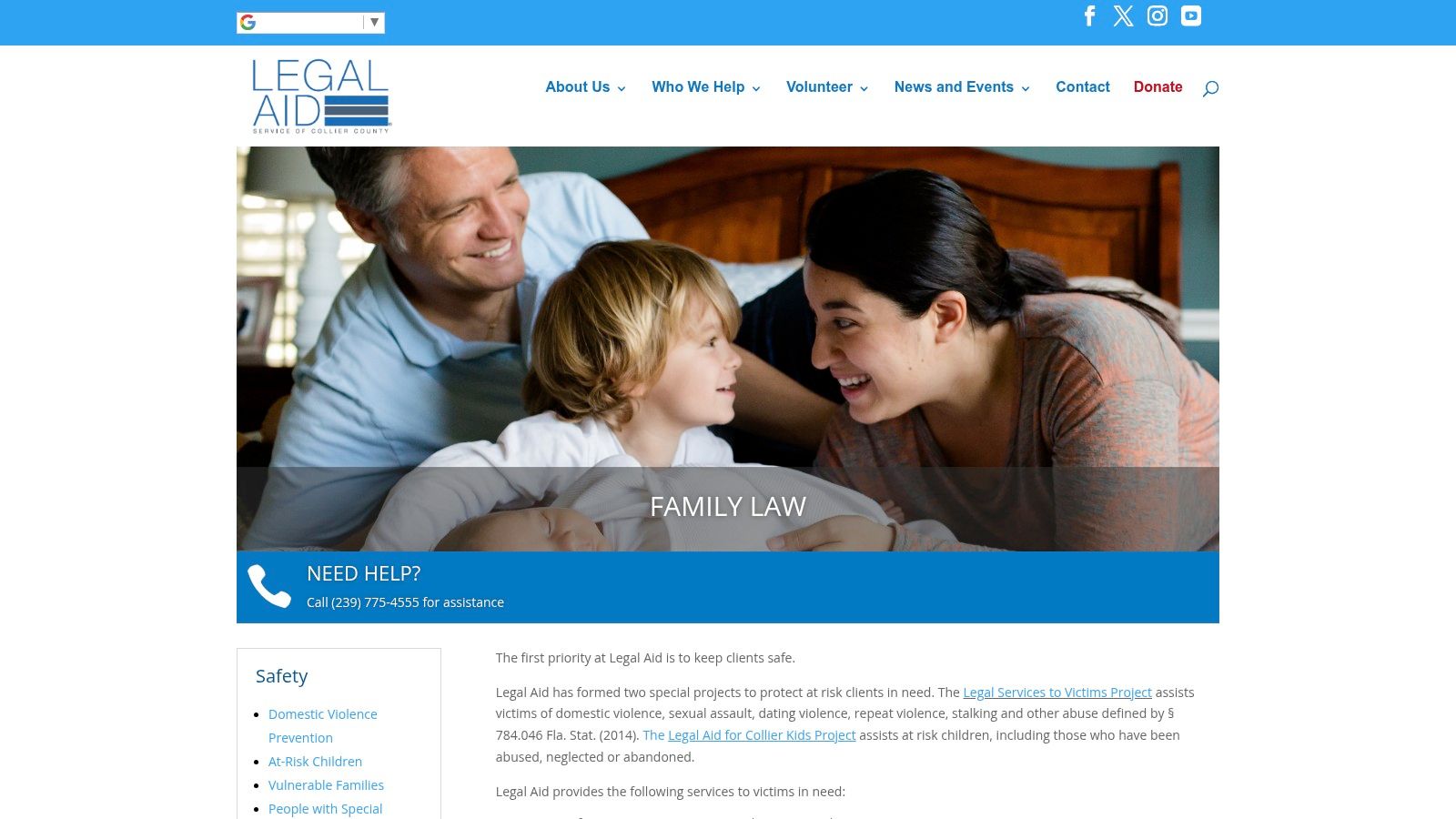
Legal Aid Service of Collier County is a good fit when the family case centers on children, instability, or protection concerns. Its family-law services include divorce, custody or visitation, support, and paternity, and the “Legal Aid for Collier Kids” project shows a specific commitment to child-focused work.
That child-centered angle is often what separates a helpful legal-aid provider from a general referral list. If your case has direct effects on a child’s living situation, contact, or welfare, say that clearly when you apply.
Cases involving children usually need a sharper intake summary
A strong intake summary isn’t dramatic. It’s specific. Staff need enough information to understand what legal issue exists and why it matters now.
Good examples include:
- Immediate concern: “There’s a pending visitation dispute and no current written schedule.”
- Support issue: “Child support was requested, and I don’t understand the paperwork I received.”
- Protection issue: “I’m trying to leave an abusive situation and need help related to the children.”
The clearest applications usually answer three questions fast: what county, what case type, and what deadline or risk exists right now.
This provider won’t be able to take every case. But for Collier residents dealing with family instability, it’s one of the more grounded and practical starting points.
8. ABA Free Legal Answers (Online Brief Advice)
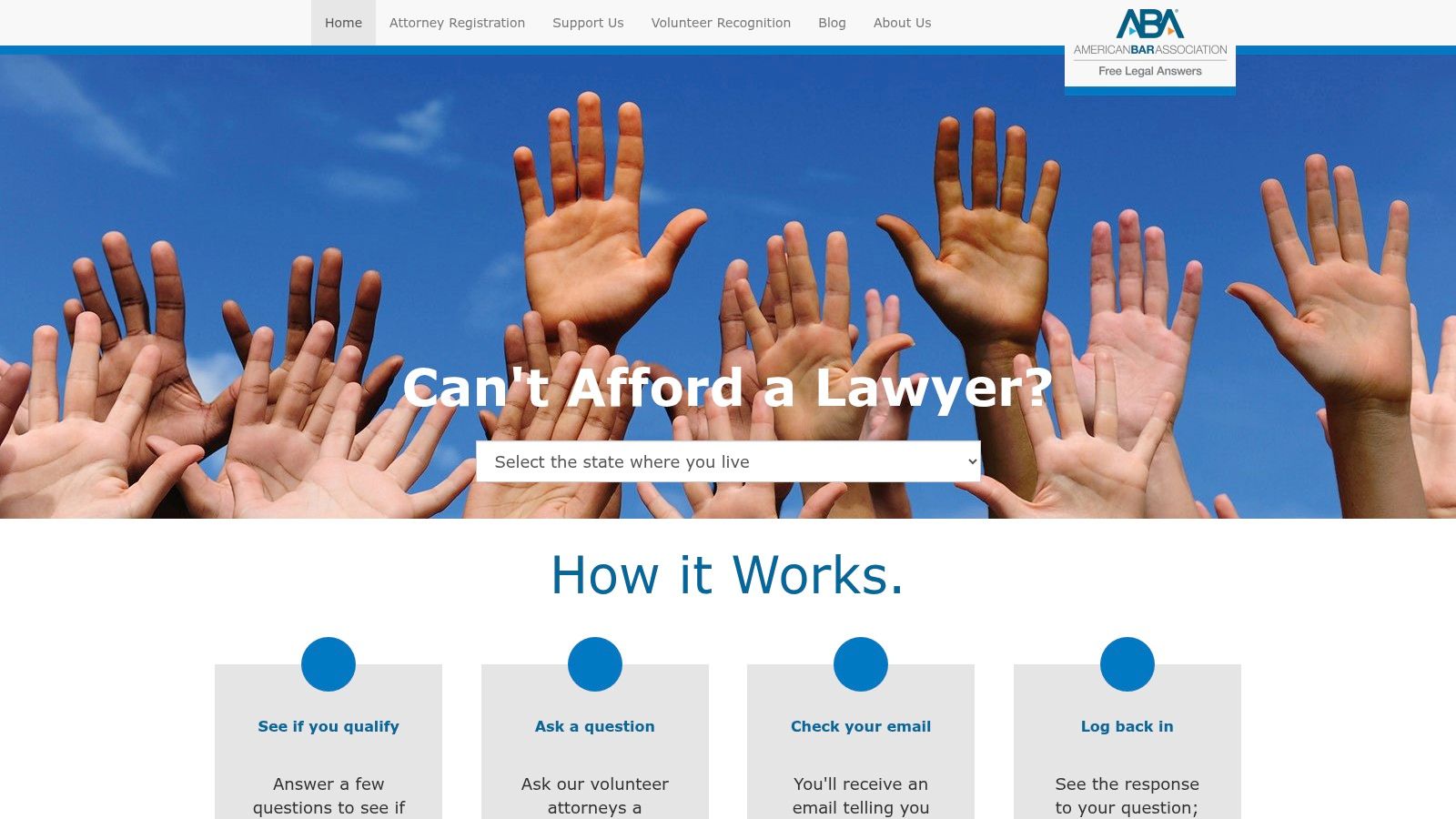
ABA Free Legal Answers is the best option on this list when you don’t need a lawyer to take over the whole case and you do need a written answer from a volunteer attorney. It’s online, which matters if local offices are hard to reach, waitlists are long, or your schedule makes phone-based intake difficult.
This platform works well for focused questions. Think custody procedure, child support confusion, name-change steps, service issues, or what to do after being served. It doesn’t replace local representation, but it can give you a clearer next move.
What this tool does well
The biggest advantage is that it narrows uncertainty. Many people don’t need full representation first. They need one reliable answer that helps them avoid a bad filing, a missed response, or an agreement they don’t understand.
That lines up with a broader shift in legal-aid access. Public legal-aid directories note that free services increasingly rely on virtual intake and remote advice rather than open-ended representation.
- Best use: Ask one clear, narrow question with dates and court posture included.
- Not the right use: Uploading an entire life story and hoping someone will run the whole case.
- Smart tactic: Draft your question the way a court clerk would describe the file. Short, chronological, and specific.
9. How to Qualify and Prepare for Free Legal Help
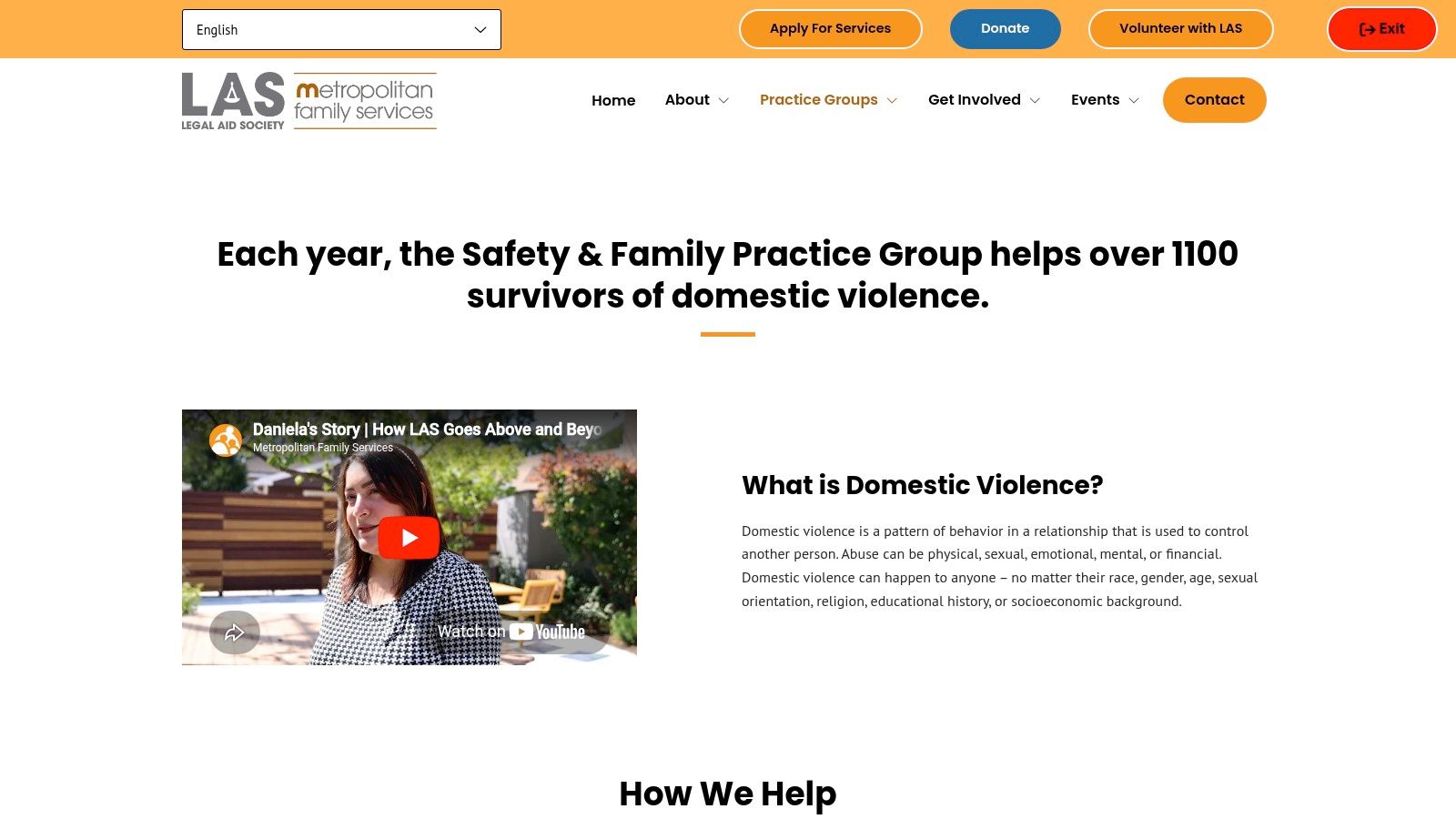
The hardest part of finding a family law attorney free in Florida usually isn’t locating names. It’s getting through intake in a way that leads to useful help. Free legal programs typically screen for income, location, case type, and urgency. If one of those doesn’t fit, the answer may be no even if your problem is serious.
That doesn’t mean you should wait to apply. It means you should prepare before you call, fill out a form, or attend a clinic.
What to gather before you apply
Bring the paperwork that tells the story of the case quickly. Legal aid staff don’t need every text message you’ve ever sent. They need the documents that show what happened, what court is involved, and what deadline is coming.
- Identity and residency: Photo ID and something showing your Florida address and county.
- Financial records: Pay stubs, benefit letters, recent tax information, or other proof of household income.
- Court papers: Petitions, summons, motions, mediation notices, hearing dates, injunction filings, and existing orders.
- Case summary: A simple timeline with names, dates, and the outcome you’re asking for.
A short written timeline helps more than people realize. If you can explain the dispute in a few sentences, you’re making it easier for staff to see whether your issue matches the program.
Don’t wait until the night before a hearing to organize your papers. Free help is limited, and early applicants usually have better options than people who call after multiple deadlines have already passed.
10. Next Steps Low-Cost Options if You Don’t Qualify
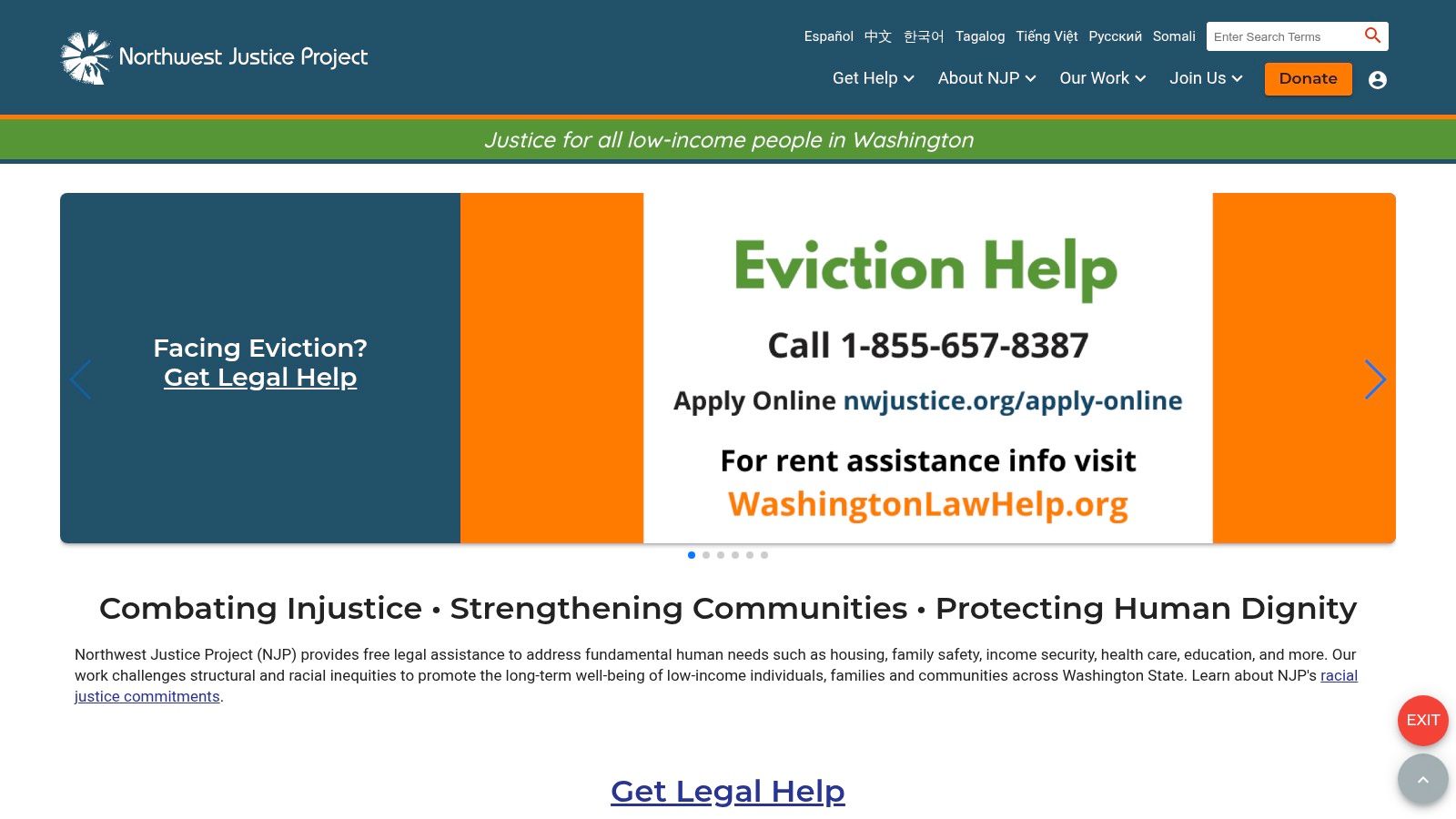
Not qualifying for free help doesn’t mean you’re out of options. It usually means you need to stop searching only for “family law attorney free” and start looking for the most efficient paid help you can afford. In family law, that often means buying only the parts of legal representation you need.
The most common alternative is limited-scope representation, sometimes called unbundled services. Instead of hiring a lawyer for everything, you pay for defined tasks such as document review, hearing preparation, settlement drafting, or strategy coaching.
Affordable paths that are still useful
Some people need a lawyer at one pressure point, not at every step. That can be enough to avoid expensive mistakes.
- Limited-scope representation: Pay for a specific task, such as reviewing a parenting plan or preparing for mediation.
- Payment plans: Ask whether the office allows staged payments for family-law work.
- Targeted consultation: Use a paid case evaluation to identify risks, deadlines, and the next best move before spending more.
- Mediation support: In some cases, paying for negotiation help is more efficient than litigating every issue.
For Florida families who don’t qualify for legal aid, a private firm may still offer a practical starting point through a thoughtful case evaluation. The Law Office of John P. Sherman, PLLC is one example for family law matters in Florida. The key is to ask direct questions about scope, cost structure, and whether the lawyer can help with the specific part of the case that’s creating the most risk.
10 Free Family Law Legal Aid Resources Compared
| Provider | Core services & scope | Eligibility & access | Unique strengths | Best for | Cost & value |
|---|---|---|---|---|---|
| Dade Legal Aid – Put Something Back (Miami‑Dade, FL) | Free family-law representation & countywide pro‑bono referrals | Income‑screened; Miami‑Dade residency; possible waitlists | County pro‑bono program; deep court & volunteer network | Low‑income Miami‑Dade families needing full rep | Free if eligible ★★★★ |
| Legal Services of Greater Miami (Miami‑Dade & Monroe, FL) | Free civil legal services with family‑law support for vulnerable clients | Income & residency screening; program priorities apply | Broad civil coverage; large staff & community partners | Low‑income clients with intersecting civil issues | Free if eligible ★★★★ |
| Legal Aid Service of Broward County (Broward, FL) | Dedicated Family Law unit (custody, support, DV) with online packets | Broward residency & income limits; demand may cause delays | Clear online intake & docs; targeted family‑safety programs | Broward residents needing focused family‑law help | Free if eligible ★★★★ |
| Community Legal Services of Mid‑Florida (Central FL) | No‑cost family law plus advice lines, clinics & community education | Eligibility screening; some matters limited to brief service | Multiple offices, clinics & education; regional access | Central FL residents seeking rep or DIY support | Free if eligible · ★★★★ |
| Bay Area Legal Services (Tampa Bay, FL) | Free civil help; Family & Children practice; courthouse info center | Five‑county service area; income eligibility required | Court‑adjacent Legal Info Center; practical DIY & intake support | Tampa Bay residents & self‑represented litigants | Free if eligible ★★★★ |
| Legal Aid Society of Palm Beach County (Palm Beach, FL) | Free family law (divorce, custody, DV) and child‑focused projects | Palm Beach residency & income limits; capacity varies | Local court expertise & child/survivor projects; county knowledge | Palm Beach low‑income families & survivors | Free if eligible ★★★★ |
| Legal Aid Service of Collier County (Collier/Naples, FL) | Comprehensive family‑law help + “Legal Aid for Collier Kids” | Collier residency & income screening; demand may limit services | Children’s advocacy project & bilingual capacity; child‑focused services | Collier County families, at‑risk children | Free if eligible · ★★★★ |
| ABA Free Legal Answers (Online Brief Advice) | Nationwide online Q&A for civil (incl. many family topics) | Low‑income adults; availability & coverage vary by state | Mobile‑friendly written advice; national volunteer network | Low‑income individuals needing quick legal guidance | Free ★★★ |
| How to Qualify and Prepare for Free Legal Help (Infographic) | Step‑by‑step prep: documents, timeline, eligibility rules | Explains income limits, required docs & priorities | Practical checklist to improve application success; clear process flow | Applicants preparing for legal‑aid intake | Free guidance ★★★★ |
| Next Steps: Low‑Cost Options if You Don’t Qualify (Guide) | Options: unbundled services, sliding scale, payment plans, referrals | For those above legal‑aid income limits; varies by provider | Practical low‑cost alternatives + firm examples; actionable options | Moderate‑income clients who don’t qualify for free aid | Variable (low‑cost options) ★★★★ |
Your Path Forward in Florida Family Law
Finding free legal help in Florida is possible, but it usually takes persistence, organization, and realistic expectations. That’s the part many people don’t hear at the beginning. They search for a family law attorney free, assume there must be a master list that solves the problem, and then get discouraged when the first call leads to screening questions, paperwork requests, or a referral instead of immediate representation.
The better approach is to treat free legal help as a process. Start with the organization that serves your county or region. If you’re in Miami-Dade, Broward, Palm Beach, Collier, Central Florida, or Tampa Bay, use the local provider that’s closest to your court system and your legal issue. If your problem is narrow and you mainly need an answer to a specific question, an online option like ABA Free Legal Answers may be the fastest useful step.
It also helps to be precise about what you need. Some people need full representation. Many need something narrower first, such as help understanding a petition, reviewing a proposed agreement, preparing for a hearing, or knowing whether a domestic violence or custody issue should be handled urgently. The more clearly you can describe the case, the easier it is for legal aid staff or volunteer attorneys to tell you whether they can help.
If you don’t qualify, don’t stop there. Ask private attorneys about limited-scope work, document review, or a paid consultation focused on strategy rather than full representation. In family law, a small amount of targeted legal help at the right moment can make a major difference in how the case develops. It may help you avoid signing a bad agreement, missing a filing deadline, or walking into mediation unprepared.
For some Florida families, a private evaluation is the most realistic next step once legal aid says no. The Law Office of John P. Sherman, PLLC is one Florida option for people who need guidance on divorce, child custody, support, alimony, domestic violence injunctions, or related family-law issues. The important thing is not choosing the “perfect” resource on the first try. It’s taking the next concrete step with the documents you have, the deadlines you face, and the budget you live with.
The legal system is hard enough when money isn’t part of the problem. If it is, use the free pathways that exist, prepare carefully, and move quickly when a good low-cost alternative is available.
If you need practical guidance on a Florida family-law matter, The Law Office of John P. Sherman, PLLC offers thoughtful evaluations for family cases and represents clients in divorce, custody, support, alimony, injunction, and related disputes throughout Florida.