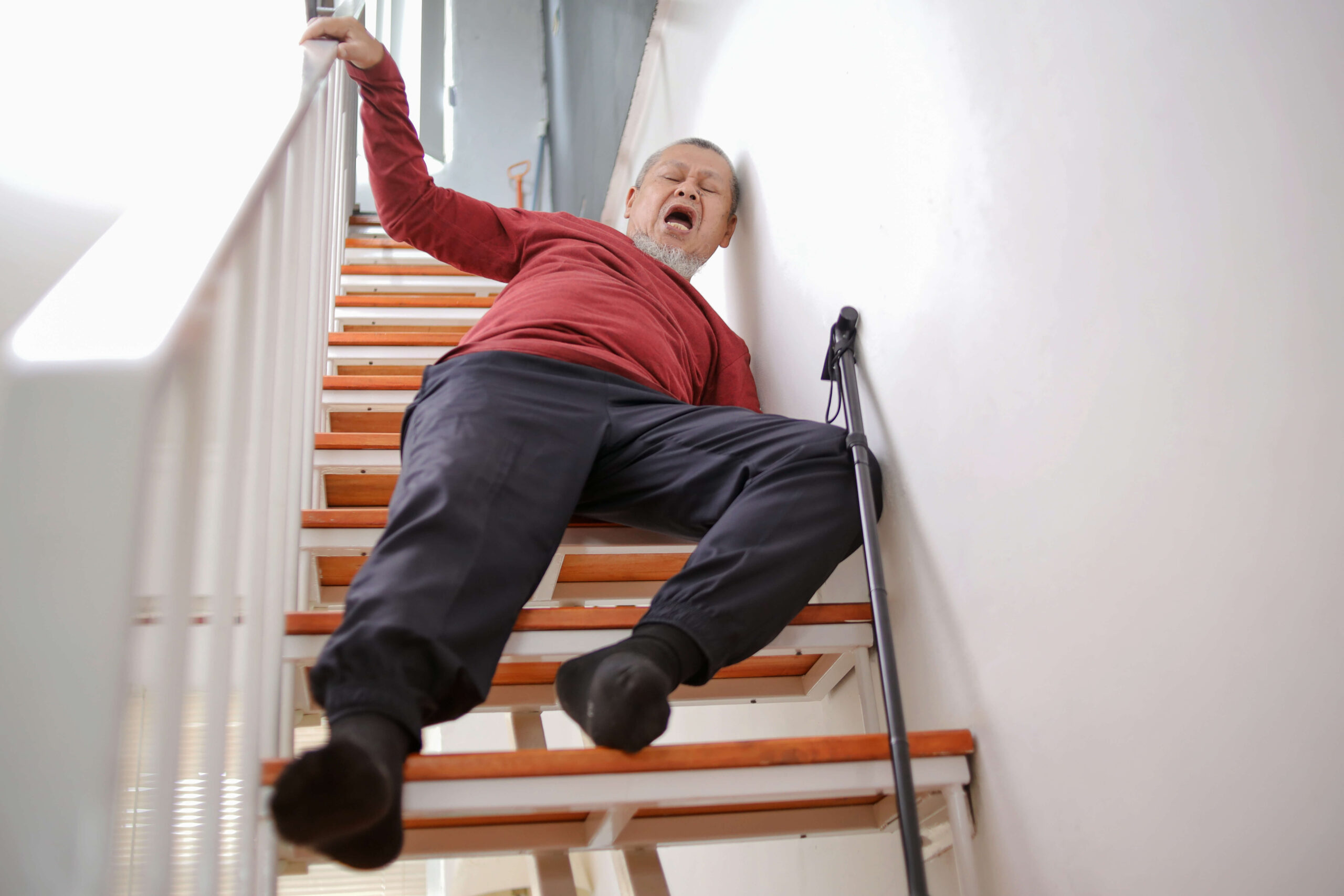
Navigating life after a slip-and-fall accident can be overwhelming. One moment you are shopping, visiting a restroom, or enjoying a day out with your family, the next, you are dealing with pain, medical appointments, and questions no one prepares you for. You may be wondering whether what happened to you was just “bad luck” or if someone failed to keep their property safe. You might be frustrated that your injury could have been prevented if basic precautions were taken. These concerns are valid, and you are not alone in asking them.
Far too many people blame themselves after a fall, when in reality the responsibility may lie with a careless property owner, a negligent business, or a company that ignored known hazards. Slip-and-fall incidents are often the direct result of unsafe conditions that should have been corrected. You deserve honest answers about your rights and whether compensation is available to cover your medical expenses, missed work, and long-term recovery.
This guide will walk you through where slip-and-fall accidents commonly occur, what causes them, how liability is determined, and how compensation works under Florida law. By the end, you will understand what it takes to build a strong case and how legal representation can protect your future. The Law Office of John P. Sherman, PLLC is committed to standing by victims throughout this process, offering the support and advocacy needed to move forward with confidence.
Where Can Slip and Fall Accidents Occur?
Slip-and-fall accidents often happen in places people trust to be safe. These are locations where you are encouraged to walk freely, focus on your task, and assume that someone else has taken care of maintenance. When floors are slippery, walkways cluttered, or lighting inadequate, even the most careful person can be caught off guard. Understanding how these environments contribute to dangerous conditions can help clarify how negligence is established.
Rather than viewing your fall as an isolated incident, it is important to recognize that many of these locations have recurring safety issues that put visitors at risk. Businesses have legal responsibilities to conduct regular inspections, address hazards quickly, and warn customers when immediate repairs are not possible. When they ignore these responsibilities, they can be held liable under Florida premises liability laws.
Let’s explore some of the most common places where slip-and-fall accidents occur and how they become hazardous due to negligence.
Grocery Stores
Grocery stores are one of the most frequent sites of slip-and-fall accidents. Spills from liquids, produce, or leaking refrigeration units can create slippery surfaces within seconds. When employees fail to respond quickly or leave wet floors without warning signs, shoppers walking through the aisle have no way to anticipate the danger. Even small amounts of moisture can cause a sudden fall, especially on highly polished tiles common in supermarkets.
Negligence in grocery stores often arises from poor inspection routines. Some stores rely on staff to casually monitor aisles rather than assigning formal cleaning schedules or documenting clean-up procedures. Without clear accountability, hazardous areas may sit unnoticed for extended periods. When a customer is injured, store owners sometimes claim they “did not know” about the spill, but under Florida law, they are still responsible if they should have known through reasonable inspections.
Imagine picking up a carton of milk, taking a few steps forward, and suddenly losing your balance due to a puddle from a previous customer. You had no warning, no time to react, and no reason to expect danger. In these scenarios, Florida law recognizes that the victim should not bear the financial burden of someone else’s failure to maintain safe conditions.
Public Restrooms
Public restrooms are inherently prone to moisture, yet many businesses fail to install proper drainage or non-slip flooring. Wet tiles near sinks or overflowing trash bins can turn restrooms into hazardous environments quickly. When businesses do not provide absorbent mats or fail to monitor restrooms regularly, the risk of injury rises dramatically. Visitors often enter these areas with limited visibility, making it difficult to detect hazards before stepping into them.
Another common issue is inadequate lighting. Dim or flickering lights can make it nearly impossible to see puddles, loose tiles, or damaged floor edges. In some cases, restroom facilities have uneven flooring transitions or missing tiles that create unexpected trip hazards. When property owners neglect maintenance or overlook basic repairs, they create conditions that could easily lead to serious injuries.
Consider someone entering a restroom at a restaurant or gas station, expecting a routine stop, only to slip on water leaking from a faulty pipe. There are no warning signs and no effort made to prevent injury. Under Florida law, the property owner may be responsible for failing to maintain safe premises and failing to provide sufficient warnings for foreseeable hazards.
Restaurants, Bars, and Nightclubs
Restaurants, bars, and nightclubs present a combination of high foot traffic, food and drink spills, and dim lighting, all of which increase the likelihood of slip-and-fall accidents. Staff may be focused on customer service rather than floor safety, leading to delays in cleaning spills or clearing walkways. When servers or bartenders carry drinks back and forth, liquids can drip unnoticed, creating slick floors within seconds.
In some cases, furniture placement adds to the danger. Barstools, loose chairs, or decorative items can obstruct walkways, forcing patrons to maneuver awkwardly in crowded areas. This becomes even more dangerous when combined with low lighting or loud music that limits situational awareness. Under Florida premises liability law, property owners have a duty to anticipate such risks and take preventive measures.
Picture attending a birthday dinner where someone spills a drink near your table. You stand to walk toward the restroom, unaware of the spill, and suddenly your feet slide out from under you. The staff saw the spill, but no one acted. These incidents may seem small in the moment, but the resulting injuries can include broken bones, spinal trauma, or long-term mobility issues, all because safety protocols were ignored.
Florida Theme Parks
Florida is home to some of the world’s most visited theme parks, drawing millions of guests each year. These parks are expected to maintain the highest standards of safety, yet slip-and-fall incidents still occur due to wet surfaces from drink stands, water rides, or sudden rain showers. With large crowds constantly moving through attractions, even small puddles or uneven walkways can become major hazards.
Negligence in theme parks can stem from insufficient staffing in maintenance areas. When employees are not actively monitoring public walkways or fail to respond quickly to hazardous conditions, guests are left vulnerable. Florida law holds theme park operators to a high standard of care because they profit from inviting large numbers of people into their facilities. Regular inspections and immediate hazard responses are not optional, they are legal obligations.
Imagine walking through a shaded area near a water attraction, where mist from nearby features settles on the ground. Without slip-resistant flooring or visible caution signs, even careful visitors may lose traction. These injuries are often severe because theme parks encompass large walking distances, uneven terrain, and elevated platforms. When safety is overlooked, victims have the right to pursue compensation for their losses.
Causes of Slip and Fall Injuries
Slip-and-fall accidents are rarely random. They usually occur because someone failed to inspect, clean, repair, or warn about a dangerous condition. When routine maintenance is ignored, hazards can build up unnoticed until someone gets hurt. These incidents are not simply “bad timing.” They are the result of choices, whether through negligence, understaffing, or cost-cutting decisions that compromise safety.
Slips and falls aren’t arbitrary. They usually result from careless actions or inaction that harm an unsuspecting victim. Some potential causes of slip and fall accidents include:
• Poor lighting
• Debris or liquid spills
• Obstructions in the walkway, such as a wire or cord
• Broken or unsecured handrails
• Unrepaired or uneven flooring
• Broken pavement or potholes
• Products that impede store walkways
After a fall, one of the most important steps is identifying what caused the accident. Photos, incident reports, and witness accounts can help determine whether the hazard was visible, avoidable, or previously reported. Sometimes, surveillance footage may show employees walking past the hazard without taking action, strong evidence of negligence. Florida law allows injured victims to use these materials to demonstrate that the dangerous condition existed long enough that the property owner should have known and addressed it.
Thorough investigation is often necessary to uncover patterns of negligence. For example, maintenance logs may reveal that inspections were skipped or repairs were delayed for weeks. Customer complaints or online reviews may show that other people experienced similar hazards. All of this information can support your case and help establish that your injury was preventable.
Seeking Compensation for Slip-and-Fall Injuries
When you are injured in a fall, the financial impact can be immediate and overwhelming. Medical bills accumulate quickly, and missing work can make it difficult to manage everyday expenses. Compensation in a slip-and-fall claim is not a bonus or a luxury, it is a legal mechanism designed to help restore what was lost due to someone else’s negligence. Florida law allows injured individuals to pursue both economic and non-economic damages.
Economic damages include reimbursement for medical expenses, rehabilitation costs, and lost income when your injuries prevent you from working. These are direct, measurable losses that can be calculated using bills, receipts, and payroll records. If long-term treatment is required, future medical needs may also be included.
Non-economic damages recognize the physical pain, emotional trauma, and reduced quality of life that often accompany serious injuries. While these losses are less tangible, they are no less real. Living with chronic pain, limited mobility, or anxiety when walking in public places can affect your confidence and independence long after the incident. Compensation helps ensure your suffering is acknowledged and addressed.
How Do You Prove Negligence in a Slip and Fall Case?
To recover compensation in a Florida slip-and-fall claim, you must show that the property owner or responsible party was negligent. This requires proving four key elements: duty of care, breach, causation, and damages. Duty of care means that the property owner had a legal responsibility to keep the premises reasonably safe for visitors. Breach occurs when they fail to uphold that duty through lack of inspections, poor maintenance, or failure to warn about hazards.
Causation links their breach to your injury. You must be able to show that the unsafe condition directly caused your fall and resulting harm. Evidence such as surveillance footage, maintenance records, or safety reports can play a critical role. For example, video footage might reveal that an employee walked past a spill without cleaning it. This demonstrates knowledge of the hazard and failure to act.
Economic damages include identifiable costs from your accident, including the following:
• Hospital and physician visits
• Physical and occupational therapy
• Diagnostic tests, including X-rays, MRIs, and CT scans
• Surgery
• Medications
• Lost wages or income
Beyond financial losses, non-economic damages may also apply to compensate for physical pain, emotional stress, or long-term impacts on daily life. These damages take into account how your injury affects your ability to enjoy activities, care for your family, or feel confident moving through public spaces. A skilled attorney can help calculate and present these losses effectively to strengthen your case.
Conclusion
A slip-and-fall accident is more than a moment of embarrassment, it can change your life in an instant. From mounting medical bills to time away from work and ongoing pain, the aftermath can feel unfair and overwhelming. But under Florida law, you are not expected to carry that burden alone. Property owners have a legal duty to maintain safe conditions, and when they fail to do so, they can be held responsible for the harm that follows.
With proper documentation, timely investigation, and skilled representation, you can establish how negligence occurred and pursue compensation for both your financial losses and the personal impact of your injuries. Recovery is not just about reimbursement, it is about regaining stability, independence, and peace of mind.
The Law Office of John P. Sherman, PLLC is ready to stand in your corner, answer your questions, and protect your rights from day one. If you believe your fall could have been prevented, do not wait for the situation to get worse. Reach out for a free consultation and learn your legal options. Taking the first step today can make all the difference in your tomorrow.